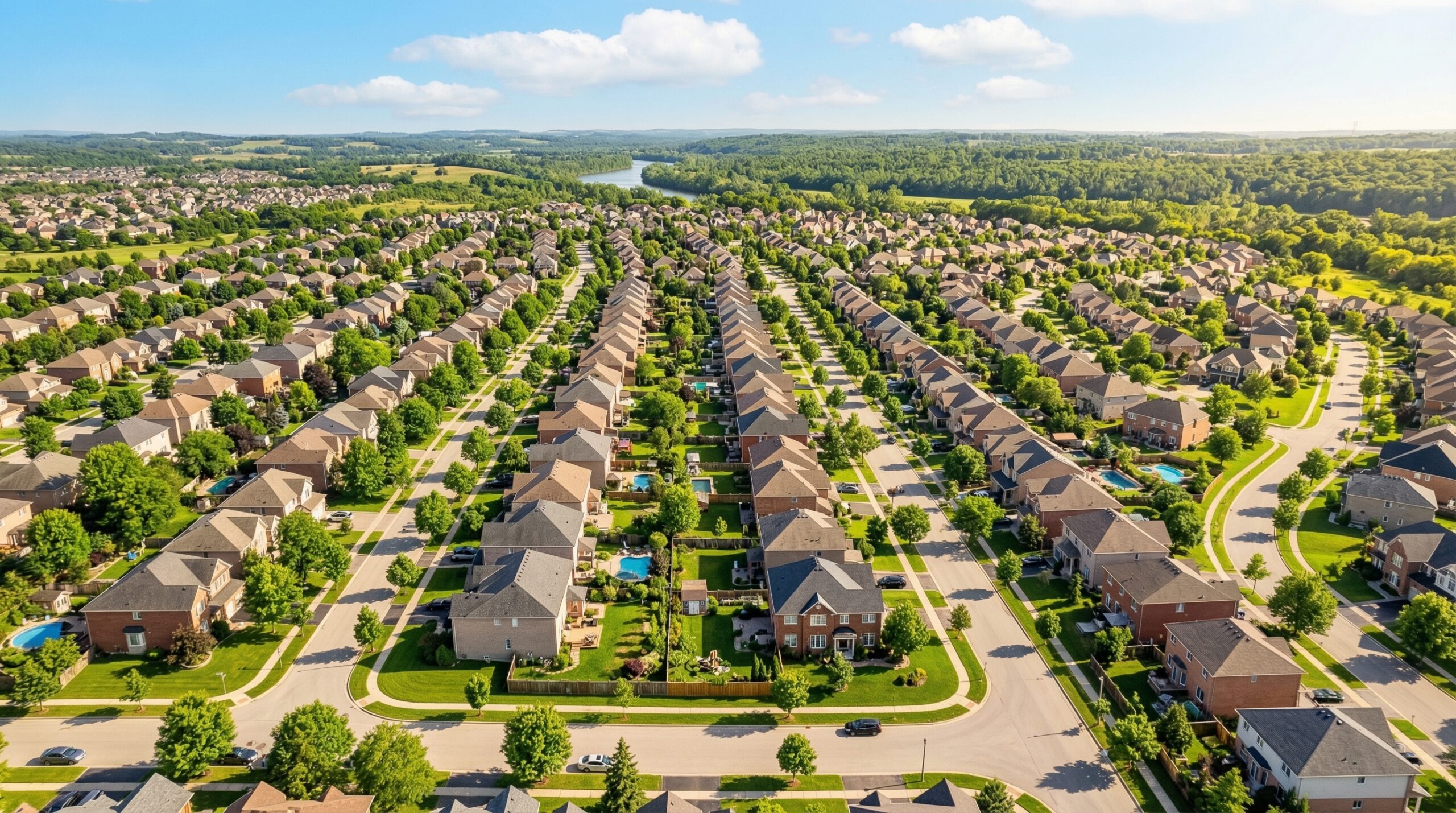
Most national HVAC cost estimates ignore where you live. That’s a $1,000–$3,000 blind spot. This city hub compares HVAC replacement costs in 80+ US metros, including local rebates, permit rules, climate zones, and labor-market factors that change the final bid. A split system that runs $8,500 installed in Raleigh can cost $10,000 or more in Boston with the same equipment and same size home.
Search for your city below, jump by state, or use the HVAC replacement cost estimator if your market is not listed yet. The estimator includes a region selector that adjusts furnace, central AC, heat pump, and full-system replacement ranges for your part of the country.
Why Does HVAC Replacement Cost More in Some Cities?
Three factors drive most of the geographic price variation: labor rates, climate-driven demand, and regional market conditions. For the aggregated numbers behind those factors, see our 2026 HVAC Replacement Cost Study, which maps 81 city pricing pages to 62 Census-defined metropolitan statistical areas and states the equal-weighted methodology in full.
Labor rates are the biggest driver. HVAC installers earn roughly $24/hour in Southeast markets versus $38–$42/hour in Pacific Coast cities, according to Bureau of Labor Statistics wage data. Since labor typically accounts for 40–50% of a full system replacement, that gap compounds quickly.
Climate demand shapes local contractor capacity. Markets with extreme heat or cold have more active replacement cycles, which means more contractors, more competition, and in many cases lower prices than you’d expect for a high-cost region. Coastal markets with salt air exposure (like Wilmington, NC) face accelerated equipment corrosion, which can shorten effective system lifespans by 3–5 years. Brand choice also affects regional pricing: Daikin HVAC systems are sold only through certified Daikin Comfort Pro dealers, with stronger dealer density in the South and Southeast than in the rural Midwest or Northeast.
Climate also decides how much equipment a city’s homes need, not just how often they run it. The same 2,000 sq ft house needs 60,000 to 70,000 BTU of furnace output on the Gulf Coast and 100,000 to 120,000 BTU in the Upper Midwest, which is roughly double the heating capacity for an identical floor plan. See furnace cost by home size for the square footage and climate zone chart behind that gap.
Permit and code requirements vary by municipality. Some cities require separate electrical permits, inspections, or specific equipment certifications that add $150–$600 to the base installation cost.
Our HVAC replacement cost guide covers the full range of national cost factors. The regional multipliers below show how our estimator adjusts for geography.
How Much Does Region Affect HVAC Replacement Cost?
The estimator applies a regional multiplier to every cost range it generates. Southeast and Midwest are the national baseline. Here’s how each region compares:
| Region | States Included | Adjustment vs. Baseline |
|---|---|---|
| Southeast | NC, SC, VA, GA, FL, TN, AL, MS, AR, LA | Baseline (0%) |
| Midwest | OH, MI, IL, MN, MO, WI, IA, IN, ND, SD, NE, KS | Baseline (0%) |
| Southwest | TX, AZ, NM, CO, NV, OK, UT, WY, MT, ID | +5% |
| Northeast | NY, MA, NJ, PA, MD, DE, CT, RI, VT, NH, ME | +15% |
| West / Pacific | CA, OR, WA, AK, HI | +25% |
These multipliers are derived from national contractor pricing data and are applied across all system types and home sizes in the estimator. They’re directional guides, not contractor quotes, so always get at least three local bids. See the methodology page for full data sourcing details.
City Pricing Guides: Alabama
Birmingham, AL
Birmingham sits in ASHRAE Climate Zone 3A (Warm-Humid) with long summers topping 91 degrees and mild winters averaging 35 degrees in January. Alabama Power offers a $1,000 rebate for homeowners switching from gas to an all-electric heat pump rated 18 SEER2 or higher. Jefferson County and City of Birmingham both require mechanical permits, typically $150 to $250 for a residential replacement. Typical replacement costs run $5,200 to $12,600 depending on system size and efficiency tier.
View Birmingham HVAC pricing guide →
City Pricing Guides: Arizona
For a full overview of HVAC costs across Arizona, including APS and SRP rebates, permit requirements, and how extreme desert heat affects equipment sizing, see the Arizona HVAC replacement cost state guide.
Phoenix, AZ
Phoenix sits in IECC Climate Zone 2B (hot-dry desert) with over 100 days above 100 degrees Fahrenheit each year, making it one of the most cooling-intensive markets in the US. SRP customers can receive up to $1,125 through the Cool Cash Rebate on qualifying high-efficiency systems. Installed replacement costs run $5,400–$14,200, with peak-season installs (May–September) carrying a 15–30% premium. View Phoenix HVAC pricing guide →
Tucson, AZ
Tucson sits at roughly 2,400 feet in the Sonoran Desert, slightly cooler than Phoenix but still running systems 2,800+ hours per year in cooling mode. TEP’s Efficient Home Program offers up to $720 on a qualifying heat pump replacement, with monsoon season (July through September) creating dust and backlog considerations for timing. Installed costs run $5,500–$15,000 before rebates. View Tucson HVAC pricing guide →
Scottsdale, AZ
Scottsdale’s luxury housing market pushes HVAC costs 10 to 20 percent above the Phoenix metro average. SRP Cool Cash rebates return up to $1,125 on high-efficiency systems, and the city runs its own permit process separate from Phoenix. View Scottsdale HVAC pricing guide →
Mesa, AZ
Mesa is in SRP service territory and tracks close to the Phoenix metro average, with installed costs running $9,500 to $14,500 for most homes in 2026, typically 5 to 10 percent below Scottsdale. The city has a large stock of 1970s and 1980s homes with aging systems due for replacement, and peak-season demand (May through September) can push backlogs 1 to 3 weeks. SRP Cool Cash Rebate offers up to $1,125 on qualifying variable-capacity systems. View Mesa HVAC pricing guide →
City Pricing Guides: Arkansas
Little Rock, AR
Little Rock sits in ASHRAE Climate Zone 3A (Warm-Humid) with over 2,000 annual cooling degree days and summers that push heat indices past 105 degrees. Entergy Arkansas runs the Home Energy Solutions program for AC tune-ups and efficiency upgrades, while the federal IRA 25C credit expired for 2026 purchases. The City of Little Rock requires a Mechanical (HVACR) permit for all replacements, with fees starting at $32.55. Typical installed costs run $6,500 to $10,500.
View Little Rock HVAC pricing guide →
City Pricing Guides: California
California HVAC replacement costs run $6,500 to $16,000 statewide, driven 20 to 30% above national averages by Title 24 efficiency standards, high labor costs, and extreme climate diversity across 16 CEC climate zones. For a full overview including TECH Clean California rebates, PG&E, SoCal Edison, LADWP, and SMUD incentives, see the California HVAC replacement cost state guide.
Los Angeles, CA
Los Angeles homeowners pay $6,800 to $15,500 for full HVAC replacement in 2026. The LA Basin’s semi-arid Mediterranean climate (CEC Zone 6) demands cooling-dominant systems, while LADWP and SoCal Edison both offer rebates on qualifying heat pumps. High contractor density in the metro keeps pricing competitive despite California’s elevated labor rates. View Los Angeles HVAC pricing guide →
Sacramento, CA
Sacramento homeowners pay $6,500 to $14,500 for full HVAC replacement in 2026. The Central Valley heat load pushes most Sacramento homes to 3 to 4 ton systems, and SMUD offers some of the strongest heat pump rebates in the state for qualifying installations. View Sacramento HVAC pricing guide →
City Pricing Guides: Colorado
Colorado Springs, CO
Colorado Springs HVAC replacement costs run 10-20% above national averages due to the city's 6,035-foot elevation, which requires larger equipment capacity and altitude-derated gas appliances. Colorado Springs Utilities (CSU) offers generous rebates including $1,500 on qualifying heat pumps plus a $1,500 electric bill credit (2026), and $900 on ENERGY STAR furnaces. The Colorado state heat pump tax credit adds another $1,000. View Colorado Springs HVAC pricing guide →
Denver, CO
Denver’s Mile High altitude (5,280 ft) reduces HVAC equipment capacity by roughly 10%, so contractors must oversize systems and install high-altitude orifice kits on gas furnaces. Full system replacement runs $8,000-$17,000, with Xcel Energy cold-climate heat pump rebates up to $9,000 on qualifying systems (updated November 2025); the federal IRA 25C credit expired after 2025. Mechanical permits cost $180-$420 through the City and County of Denver. View Denver HVAC pricing guide →
City Pricing Guides: Connecticut
Hartford, CT
Hartford sits in Climate Zone 5A, where cold winters make heating performance just as important as summer cooling. Full HVAC replacement runs $5,200 to $17,000, and Energize CT rebates can reach $10,000 for qualifying heat pump projects that replace oil or other primary heating systems. A Hartford mechanical permit is required. View Hartford HVAC pricing guide →
City Pricing Guides: Florida
Florida sits in ASHRAE Climate Zones 1 and 2, the hottest and most humid region in the continental US. With year-round cooling demands, utility rebates from JEA, TECO, and OUC, and coastal salt air a factor in many markets, Florida homeowners face distinct tradeoffs when budgeting for HVAC replacement. City guides are available below for Jacksonville, Tampa, and Orlando.
Jacksonville, FL
Jacksonville is the largest US city by land area and benefits from a competitive contractor market. JEA offers $200 in rebates for ENERGY STAR-certified systems. With mild winters and 82+ days above 90°F annually, the area’s cooling demand is among the highest in the country. Typical replacement costs run $5,200–$13,500 depending on system type and home size.
View Jacksonville HVAC pricing guide →
Tampa, FL
Tampa sits in ASHRAE Climate Zone 2A with roughly 3,000 annual cooling degree days and significant Gulf Coast humidity. Tampa Electric (TECO) offers rebates of $40 for systems rated SEER2 15.2 or higher and $550 for SEER2 16.2 or higher, helping offset the cost of higher-efficiency equipment. Coastal-adjacent neighborhoods face salt air exposure that can shorten equipment lifespans compared to inland areas. Typical replacement costs in the Tampa metro run $5,500–$13,500 depending on system type and home size.
View Tampa HVAC pricing guide →
St. Petersburg, FL
St. Petersburg sits on a Gulf Coast peninsula surrounded by Tampa Bay, the Gulf of Mexico, and Boca Ciega Bay, putting it in ASHRAE Climate Zone 1A with 4,000+ annual cooling degree days and 10–11 months of active AC use. Duke Energy Florida offers rebates up to $1,000 for qualifying heat pump upgrades (updated May 2025). Salt air from multiple water directions accelerates corrosion 4–8x faster than inland systems. Coastal-rated equipment is strongly advisable. Typical replacement costs run $8,500–$14,500.
View St. Petersburg HVAC pricing guide →
Brandon, FL
Brandon is Hillsborough County’s largest unincorporated suburb, 12 miles east of Tampa in IECC Climate Zone 2A (hot-humid) with roughly 3,400 annual cooling degree days. Tampa Electric (TECO) offers rebates up to $550 for qualifying SEER2 16.2+ systems (enhanced June 2025). No salt-air premium applies in this inland market, and a competitive contractor base keeps pricing accessible. Typical replacement costs run $7,000–$14,500.
View Brandon HVAC pricing guide →
Clearwater, FL
Clearwater sits between the Gulf of Mexico and Tampa Bay, giving it salt air exposure from two directions and one of the toughest coastal HVAC environments in Florida. Duke Energy Florida offers rebates up to $1,000 for qualifying heat pump upgrades (effective May 2025). Systems near Clearwater Beach or the barrier islands typically last 10–14 years vs. 15–20 years inland. Typical replacement costs run $7,500–$15,500.
View Clearwater HVAC pricing guide →
Orlando, FL
Orlando’s inland location means less coastal salt air than Tampa or Jacksonville, but nearly 3,800 annual cooling degree days and 10–11 months of active AC use. OUC (Orlando Utilities Commission) offers rebates of $45–$1,150 for qualifying heat pump installations, with higher tiers for SEER2 16 and above. Tourist-season demand (May–September) can tighten contractor availability and push prices slightly higher. Typical replacement costs run $5,400–$13,000.
View Orlando HVAC pricing guide →
Miami, FL
Miami sits in ASHRAE Climate Zone 1A, the hottest and most humid classification in the continental US, with 4,000+ annual cooling degree days and year-round cooling demand. FPL offers a $200 instant rebate for SEER2 ≥15.2 systems installed by an approved PIC contractor. Salt air near the Atlantic and Biscayne Bay shortens equipment lifespan to 10–13 years in coastal neighborhoods. Miami-Dade’s HVHZ building codes require permits and NOA-approved equipment for all HVAC replacements. Typical replacement costs run $6,500–$13,500 for AC-only and $9,500–$17,000+ for full systems.
View Miami HVAC pricing guide →
Fort Lauderdale, FL
Fort Lauderdale sits in ASHRAE Climate Zone 1A, the most intense cooling zone in the continental US, with 4,174 annual cooling degree days and near year-round AC demand. FPL offers a $200 instant rebate for SEER2 ≥15.2 systems installed by an approved Participating Independent Contractor. Broward County’s 160-plus miles of canals create salt-air corrosion that shortens outdoor equipment life, especially on waterfront properties, so budget for coastal-grade coil coatings. Permits are administered by the Broward County Building Division (separate from Miami-Dade) at approximately $150–$250 for a residential replacement. Typical costs: $5,000–$13,500 installed.
View Fort Lauderdale HVAC pricing guide →
City Pricing Guides: Georgia
Alpharetta, GA
Alpharetta is an affluent north Atlanta suburb in Fulton County, in Climate Zone 3A. Full system replacement runs $5,800–$15,200. For Georgia Power residential customers, HEIP may rebate 50% of cost, up to $1,500, when an eligible air source heat pump replaces an electric furnace. Check HEIP requirements before budgeting it.
View Alpharetta HVAC pricing guide →
Atlanta, GA
Atlanta sits in Climate Zone 3A, with both cooling and heating demand. Full HVAC replacement runs $4,800–$13,500. Georgia Power HEIP may cover 50% of cost, up to $1,500, only for an eligible air source heat pump replacing an electric furnace. Georgia HEAR is paused since August 14, 2026, with no current standalone heat pump rebate under its planned limited reopening. See the state update.
View Atlanta HVAC pricing guide →
Columbus, GA
Columbus sits in Climate Zone 3A near the Alabama border. Typical full system replacement runs $5,500–$12,500. Georgia Power HEIP may rebate up to $1,500 (50% of cost) only when an eligible air source heat pump replaces an electric furnace; the program requirements include licensed installation and AHRI-listed equipment.
View Columbus HVAC pricing guide →
Savannah, GA
Savannah’s coastal Climate Zone 2A brings long cooling demand and salt air exposure. Georgia Power HEIP may rebate 50% of cost, up to $1,500, only for an eligible air source heat pump replacing an electric furnace. The federal 25C credit expired for 2026 installations. Typical replacement costs run $6,500–$12,000 for a 2,000 sq ft home. Check current HEIP terms.
View Savannah HVAC pricing guide →
Marietta, GA
Marietta is a Cobb County suburb northwest of Atlanta in Climate Zone 3A. HVAC replacement runs $4,800 to $13,500. Georgia HEAR is paused and does not accept new standalone heat pump applications. Georgia Power HEIP may apply only to an eligible heat pump replacing an electric furnace for a Georgia Power residential customer. View Marietta HVAC pricing guide →
City Pricing Guides: Idaho
Boise, ID
Boise’s Treasure Valley climate brings hot dry summers, cold winter swings, and older homes that may still rely on evaporative cooling. Full HVAC replacement runs $5,400 to $12,800, with Idaho Power rebates up to $800 on qualifying air-source heat pumps and up to $250 on central AC. A Boise mechanical permit is required. View Boise HVAC pricing guide →
City Pricing Guides: Illinois
Chicago, IL
Chicago sits in ASHRAE Climate Zone 5A with January lows averaging 20°F and summers pushing 81°F with humidity, so you need both serious heating and cooling capacity. HVAC labor runs 24% above the national median, and most older Chicago homes (2-flats, greystones, brick bungalows) need ductwork modifications during replacement. ComEd rebates go up to $1,675 for heat pumps; Nicor Gas offers up to $275 for a high-efficiency furnace bundle. Typical replacement costs run $9,200–$16,500+ for a full system. View Chicago HVAC pricing guide →
City Pricing Guides: Indiana
Indianapolis, IN
Indianapolis faces a true four-season HVAC challenge in Climate Zone 5A, where winter lows reach zero and summers hit the low 90s with humidity. AES Indiana offers heat pump rebates up to $575, and CenterPoint Energy provides $200 to $300 on high-efficiency gas furnaces. Most homeowners pay $5,200 to $14,800 for a full replacement. View Indianapolis HVAC pricing guide →
City Pricing Guides: Kentucky
Louisville, KY
Louisville sits at the junction of the Midwest and the humid South (Cfa climate zone), where both hot, humid summers and genuinely cold winters demand a system that performs year-round. LG&E offers $400 back on qualifying ENERGY STAR heat pumps and $300 on central AC units through its Residential Rebates program. Mechanical permits are required for all replacements and cost $105 for the first system in a single-family home. View Louisville HVAC pricing guide →
City Pricing Guides: Louisiana
Baton Rouge, LA
Baton Rouge sits in ASHRAE Climate Zone 2A (Hot-Humid) with roughly 2,800 annual cooling degree days and summers that regularly push past 92 degrees. Entergy Solutions rebate programs are temporarily paused in 2026 while Entergy Louisiana onboards a new partner. East Baton Rouge Parish requires a $125 mechanical permit for all HVAC replacements. Typical installed costs run $5,200 to $14,000. View Baton Rouge HVAC pricing guide →
New Orleans, LA
New Orleans sits in ASHRAE Climate Zone 2A with 2,655 annual cooling degree days and some of the most challenging HVAC conditions in the South. Historic shotgun houses and Creole cottages often lack ductwork, pushing many homeowners toward ductless mini-split systems. Entergy New Orleans offers Energy Smart rebates up to $500 on qualifying mini-split heat pumps and up to $250 on central air systems. A mechanical permit from a Class A licensed contractor is required for all replacements. Typical costs run $5,200 to $13,500. View New Orleans HVAC pricing guide →
City Pricing Guides: Maryland
Baltimore, MD
Baltimore sits in ASHRAE Climate Zone 4A (mixed-humid), with hot humid summers boosted by Chesapeake Bay proximity and winters that regularly dip into the mid-20s. The city’s iconic row homes in Federal Hill, Fells Point, and Canton often have aging ductwork that adds cost to any HVAC swap. BGE Smart Energy Savers rebates are available for qualifying heat pumps through participating contractors, and the Home Performance pathway can unlock up to $10,000 for whole-home projects. Full system replacement runs $5,500–$13,000. View Baltimore HVAC pricing guide →
City Pricing Guides: Massachusetts
Boston, MA
Boston sits in Climate Zone 5A, combining harsh winters (single-digit lows, 5,600+ heating degree days) with humid summers that demand a system built for both extremes. The Mass Save program offers some of the highest heat pump rebates in the country: $2,650 per ton, up to $8,500, for whole-home systems that displace gas or oil heat. Union labor and Boston’s older housing stock (triple-deckers, colonials built pre-1950) push full system replacement costs to $7,000–$16,000. View Boston HVAC pricing guide →
City Pricing Guides: Michigan
Detroit, MI
Detroit sits in Climate Zone 5A with January averages of 25°F and over 6,200 heating degree days annually, making furnace efficiency critical. Full HVAC replacement runs $5,800–$14,500, with labor costs slightly below the national average. DTE Energy furnace rebates reach $400 for 98%+ AFUE units, and electric customers can earn up to $1,250 on qualifying heat pumps. View Detroit HVAC pricing guide →
City Pricing Guides: Minnesota
Minneapolis, MN
Minneapolis is one of the coldest major US cities, with January lows averaging -9°F and a heating season that runs more than six months. Cold climate demands mean larger furnace systems and above-average project costs, running $8,000 to $16,000 for a full replacement. Xcel Energy rebates reach $2,000 on cold climate heat pumps, and CenterPoint Energy offers up to $1,000 on high-efficiency gas furnace replacements for existing homes. View Minneapolis HVAC pricing guide →
City Pricing Guides: Missouri
Kansas City, MO
Kansas City’s four-season climate means both heating and cooling capacity matter, with summer highs above 95F and winter lows in the single digits. Evergy’s FastTrack HVAC PAYS program offers up to $1,300 on qualifying heat pump installs, and full system replacements run $5,200 to $13,000. View Kansas City HVAC pricing guide →
St. Louis, MO
St. Louis sits in Climate Zone 4A, where both heating and cooling carry real weight across hot, humid summers and freezing winters. Ameren Missouri offers up to $2,000 for qualifying heat pump installs through the FastTrack PAYS program, and full system replacements run $7,200 to $12,800. View St. Louis HVAC pricing guide →
City Pricing Guides: Nevada
Las Vegas, NV
Las Vegas sits in IECC Zone 2B, one of the most extreme HVAC climates in the country: 70-plus days above 100 degrees F and attic temperatures reaching 150 degrees F in summer. Cooling costs dominate here, and systems typically run 3-5 tons to handle the load. NV Energy PowerShift rebates go up to $2,000 for qualifying heat pumps and up to $1,200 for high-efficiency central AC units. Costs for most homeowners run $5,400 to $16,200 installed. View Las Vegas HVAC pricing guide →
Henderson, NV
Henderson is Nevada’s second-largest city and the Las Vegas Valley’s hub for master-planned communities like Cadence, Inspirada, and Anthem. Newer construction means easier installs and fewer retrofit complications. NV Energy PowerShift rebates up to $2,000 apply here, and the City of Henderson handles permits separately from Clark County ($100 to $400). Costs run $5,400 to $16,000 installed. View Henderson HVAC pricing guide →
Reno, NV
Reno sits at 4,505 feet in the northern Nevada high desert, where cold winters and hot dry summers mean both heating and cooling systems get a real workout. The NV Energy Northern Nevada division offers PowerShift rebates up to $2,000 for qualifying heat pumps and up to $1,200 for high-efficiency AC. Most homes need 2.5 to 3.5 ton systems, and replacement costs run $5,200 to $15,800 installed. View Reno HVAC pricing guide →
City Pricing Guides: New Jersey
Newark, NJ
Newark homeowners pay a New York metro labor premium without Manhattan’s highest access costs. Full HVAC replacement typically runs $9,000 to $16,000, with PSE&G rebates up to $600 on qualifying heat pumps and central AC upgrades. Newark requires a mechanical permit through the Building Division. View Newark HVAC pricing guide →
City Pricing Guides: New Mexico
Albuquerque, NM
Albuquerque sits at 5,312 feet in the high desert, where summer days reach the low 90s and winter nights drop into the teens. A large share of older homes still run evaporative coolers, making swamp cooler to refrigerated air conversions one of the most common HVAC projects in the metro. PNM offers instant rebates up to $860 on qualifying heat pumps and high-efficiency AC through the Home Energy Checkup program. Costs run $5,800 to $14,500 installed. View Albuquerque HVAC pricing guide →
City Pricing Guides: New York
New York City, NY
New York City is the site’s highest-cost HVAC market because dense housing, building access, co-op rules, union labor, and DOB permits all add friction. Most residential HVAC replacements run $7,000 to $22,000, while Con Edison Clean Heat rebates can reach $8,000 on qualifying heat pump upgrades. View New York City HVAC pricing guide →
City Pricing Guides: North Carolina
North Carolina sits in the Southeast region (baseline multiplier) but has meaningful within-state variation. The Research Triangle’s competitive contractor market, Charlotte’s growing metro, and Wilmington’s coastal exposure each create different cost dynamics. All city pages on this site pass a 7-item local content quality gate before publishing; every guide includes locally sourced data, climate context, and utility rebate information specific to that market.
Raleigh, NC
Raleigh sits in ASHRAE Climate Zone 4A (mixed-humid), with hot summers and mild winters that make heat pumps the dominant system choice. Duke Energy Progress offers up to $1,000 in Smart $aver rebates for qualifying heat pump installations, and income-qualified households can stack up to $8,000 more through North Carolina’s Energy Saver NC program. Typical full system replacement costs in the Raleigh metro run $5,500–$14,000 depending on system type and home size.
View Raleigh HVAC pricing guide →
Charlotte, NC
Charlotte’s fast-growing metro has one of the more active HVAC replacement markets in the Southeast, which supports good contractor availability and competitive pricing. Duke Energy Carolinas offers efficiency rebates, and the city’s suburban spread means more homes with aging systems hitting replacement age simultaneously. Costs in the Charlotte metro generally track the state baseline closely: $6,200–$10,800 for a full system replacement.
View Charlotte HVAC pricing guide →
Wilmington, NC
Wilmington’s coastal location adds a factor most cost guides ignore: salt air corrosion. Equipment in coastal markets within a few miles of the ocean degrades 30–50% faster than inland systems, shortening effective lifespans and affecting which equipment brands perform best long-term. Brunswick EMC and Duke Energy Progress both offer rebate programs in the area. Typical replacement costs run $6,800–$11,500, slightly above the state average due to coastal-rated equipment requirements.
View Wilmington HVAC pricing guide →
Durham, NC
Durham anchors the research half of the Research Triangle, with a housing stock ranging from century-old mill district homes to new tech-corridor construction. Climate Zone 4A means heat pumps are ideal for its hot humid summers and mild winters. Duke Energy Progress offers up to $1,000 in heat pump rebates for qualifying upgrades.
View Durham HVAC pricing guide →
Concord, NC
Concord sits just northeast of Charlotte, part of the fast-growing Cabarrus County market. As a Charlotte suburb in Climate Zone 4A, Concord homeowners face similar heat pump economics to the rest of the Piedmont. Duke Energy Carolinas serves the area with rebates up to $1,000 on qualifying heat pump upgrades.
View Concord HVAC pricing guide →
City Pricing Guides: Ohio
Columbus, OH
Columbus sits in Ohio’s humid continental climate zone, where cold winters and hot, humid summers create year-round HVAC demand. AEP Ohio’s Power Rewards program offers a $75 smart thermostat rebate, and a Columbus mechanical permit runs $140 to $275 through city Building and Zoning Services. Full system replacement typically costs $5,200 to $9,800 for Columbus-area homes. View Columbus HVAC pricing guide →
Cincinnati, OH
Cincinnati sits in IECC Climate Zone 4A (mixed-humid), with hot summers and cold winters that demand a full-featured HVAC system. Duke Energy Ohio Smart $aver rebates offer $400 to $500 on qualifying air-source heat pumps, and the tri-state contractor market (OH, KY, IN) keeps installation costs competitive. Full HVAC replacement runs $5,200 to $13,500 for Cincinnati-area homes. View Cincinnati HVAC pricing guide →
City Pricing Guides: Oklahoma
Oklahoma City, OK
Oklahoma City sits in one of the most demanding HVAC climates in the country, with summers regularly hitting 100 degrees F and winters that bring hard freezes and occasional ice storms. OG&E’s HVAC Burnout Replacement rebate covers up to $1,500 per unit for qualifying replacements, and ONG offers up to $2,900 for furnace upgrades. Full system replacement runs $5,800 to $13,500 installed. View Oklahoma City HVAC pricing guide →
Tulsa, OK
Tulsa sits in Zone 3A tornado country with summers hitting 100 degrees F and winters that bring hard freezes. PSO Power Forward rebates reach up to $1,400 on qualifying heat pumps (note: PSO serves Tulsa, not OG&E). Older brick ranch homes from the 1950s and 1970s often need ductwork assessment alongside system replacement. Full system cost runs $6,200 to $14,500 installed. View Tulsa HVAC pricing guide →
City Pricing Guides: Oregon
Portland, OR
Portland mild Marine climate drives high heat pump adoption, but the 2021 heat dome showed AC is now essential. Full system replacement runs $6,500-$14,500, with Energy Trust of Oregon rebates up to $1,000 on qualifying heat pumps. View Portland HVAC pricing guide
City Pricing Guides: Pennsylvania
Pittsburgh, PA
Pittsburgh sits in ASHRAE Climate Zone 5A with January lows averaging 21°F and a long heating season from October through April. Older rowhouses and boiler-heated homes throughout Lawrenceville, South Side, and Bloomfield often need ductless mini-splits since they lack existing ductwork. Full HVAC replacement runs $6,500-$14,500, with Peoples Natural Gas rebates up to $225 on a 97%+ AFUE furnace. View Pittsburgh HVAC pricing guide →
Philadelphia, PA
Philadelphia sits in ASHRAE Climate Zone 4A with hot, humid summers and cold winters reaching the low 20s°F. The city’s roughly 67,000 rowhouses shape HVAC decisions: ductless mini-splits are popular where ductwork is absent, and basement gas furnaces remain the most common heating configuration. Full HVAC replacement runs $6,000–$14,000. PECO Energy offers Act 129 rebates of $100–$300 on qualifying heat pumps and central AC systems. A Mechanical Permit is required for all installations. View Philadelphia HVAC pricing guide →
City Pricing Guides: Rhode Island
Providence, RI
Providence sits in Climate Zone 5A with cold winters (0°F design) and humid summers. Full HVAC replacement runs $7,500–$15,000, with Clean Heat Rhode Island covering 60% of heat pump costs (up to $11,500) stackable with Rhode Island Energy rebates of $150–$1,000 per ton. A mechanical permit is required through the Providence Department of Inspection and Standards. View Providence HVAC pricing guide →
City Pricing Guides: South Carolina
Charleston, SC
Charleston sits in ASHRAE Climate Zone 3A (Humid Subtropical) with a dominant cooling load and mild winters that make heat pumps the clear system choice. Dominion Energy South Carolina (formerly SCE&G) offers rebates up to $750 on ENERGY STAR® qualified equipment. The coastal salt air angle is real: system lifespan near the water runs 10–12 years vs. 15–20 inland, making the timing of replacement especially important. Typical replacement costs run $8,000–$12,000 for a 2,000 sq ft home.
View Charleston HVAC pricing guide →
Columbia, SC
Columbia sits in ASHRAE Climate Zone 3A with genuine four-season HVAC demand: 93°F summer highs and 34°F winter lows. As South Carolina’s capital and second-largest metro, Columbia offers HVAC replacement at $7,500–$12,000 for a typical 2,000 sq ft home, 5–10% below coastal SC markets. Dominion Energy SC provides rebates up to $750 through its EnergyWise program, while the federal 25C tax credit expired for 2026 purchases. The dual heating/cooling demand makes heat pumps the clear economic choice for most Columbia homes.
View Columbia HVAC pricing guide →
Greenville, SC
Greenville sits in ASHRAE Climate Zone 3A in the Upstate, near the Blue Ridge foothills, with 1,473 cooling degree days and 3,272 heating degree days annually. Duke Energy Carolinas Smart $aver offers up to $1,000 back on qualifying heat pump or AC replacements; the federal IRA 25C credit is no longer available for 2026 purchases. Typical replacement costs run $5,200–$14,500 for a 2,000 sq ft home. View Greenville HVAC pricing guide →
Rock Hill, SC
Rock Hill is York County’s largest city and a fast-growing Charlotte suburb 25 miles south of uptown. It sits in IECC Climate Zone 3A (Warm-Humid) with long hot summers (July highs near 92 degrees F) and mild winters that make heat pumps the default system choice. Rock Hill has its own municipal utility: Rock Hill Utilities offers a $400 SmartChoice rebate for heat pump replacements of 14 SEER or greater (verified October 2025 via DSIRE). Duke Energy Carolinas customers can add up to $500 through the Smart $aver program, while the federal 25C credit expired after 2025. Full system replacement runs $5,000 to $13,000 for most homes, consistent with Charlotte metro pricing.
View Rock Hill HVAC pricing guide →
City Pricing Guides: Tennessee
Nashville, TN
Nashville sits in ASHRAE Climate Zone 3A (humid subtropical) with hot summers topping 88 degrees and winters that occasionally dip into the teens. TVA EnergyRight rebates through Nashville Electric Service (NES) offer up to $800 on qualifying heat pump installs and $400 on central AC units rated 15 SEER2 or higher. Metro Nashville requires a mechanical permit ($75 to $200) for all HVAC replacements. Typical replacement costs run $5,800 to $13,400. View Nashville HVAC pricing guide →
Chattanooga, TN
Chattanooga sits in ASHRAE Climate Zone 4A (mixed-humid), served by EPB (Electric Power Board) as a TVA distributor offering rebates up to $800 on qualifying 17 SEER2+ heat pumps and up to $400 on central AC upgrades. The Tennessee Valley basin geography traps heat and humidity in summer, driving longer cooling seasons than the latitude alone suggests. Hamilton County requires a mechanical permit for all HVAC replacements, with typical fees of $90 to $120. Replacement costs run $4,800 to $11,500. View Chattanooga HVAC pricing guide →
Knoxville, TN
Knoxville sits in Climate Zone 4A (mixed-humid) with four full seasons, where TVA EnergyRight rebates through Knoxville Utilities Board (KUB) offer up to $800 on qualifying 17 SEER2+ heat pump installations. The East Tennessee market runs about 16% below Nashville in labor costs, and both the City of Knoxville and Knox County require a mechanical permit for all HVAC replacements. Typical replacement costs run $5,200 to $11,500. View Knoxville HVAC pricing guide →
Memphis, TN
Memphis sits in a hot-humid Climate Zone 3A with long summers and MLGW offering TVA EnergyRight rebates up to $800 on qualifying heat pump installs. Shelby County requires a mechanical permit ($75 to $150) for all replacements. Typical replacement costs run $5,400 to $12,800. View Memphis HVAC pricing guide →
Murfreesboro, TN
Murfreesboro sits in ASHRAE Climate Zone 4A (mixed-humid) with hot, humid summers and winters that occasionally bring ice storms with temperatures dipping into the teens. Middle Tennessee Electric (MTE) offers TVA EnergyRight rebates up to $800 on qualifying heat pump installations (17 SEER2 or higher). Rutherford County requires a mechanical permit at $35 per ton for all HVAC replacements. Typical replacement costs run $5,500 to $13,200. View Murfreesboro HVAC pricing guide →
Germantown, TN
Germantown is an affluent Memphis suburb in eastern Shelby County, in IECC Climate Zone 3A (long hot-humid summers, mild winters). MLGW distributes TVA EnergyRight rebates up to $800 on qualifying 17 SEER2+ heat pump installations. The City of Germantown (not Shelby County) issues its own mechanical permits, running $100 to $300 for a residential HVAC replacement with a 5-business-day turnaround. Larger homes and demand for premium equipment push costs 10 to 15 percent above core Memphis. Typical replacement costs run $5,200 to $14,500. View Germantown HVAC pricing guide →
City Pricing Guides: Texas
Texas sits in the Southwest region (+5% regional adjustment) and covers multiple climate zones, from Zone 2A hot-humid conditions in Houston to drier Zone 3B conditions in West Texas. Texas has deregulated electricity, meaning rebates come from the distribution utility (CenterPoint in Houston, Oncor in Dallas-Fort Worth) rather than a retail provider. No statewide HVAC tax credit exists, and the federal IRA 25C credit expired after 2025.
Houston, TX
Houston sits in ASHRAE Climate Zone 2A, accumulates roughly 3,100 cooling degree days annually, and runs air conditioning 8 to 10 months per year. CenterPoint Energy offers the CoolSaver free A/C tune-up program (valued at $150 to $200) and SOP cash incentives on high-efficiency replacements through approved contractors. Typical replacement costs run $5,800 to $14,500 with labor 11% below the national average. View Houston HVAC pricing guide →
Sugar Land, TX
Sugar Land is an affluent Fort Bend County suburb of roughly 118,000 residents, about 20 miles southwest of downtown Houston. It shares Houston’s Climate Zone 2A conditions: roughly 3,100 cooling degree days annually, Gulf Coast humidity that pushes summer feels-like temperatures above 100 degrees F, and AC that runs 8 to 10 months per year. Master-planned communities from the 1980s through 2000s mean a large share of systems are hitting replacement age simultaneously. CenterPoint Energy covers Sugar Land with its SOP rebate program on qualifying high-efficiency equipment (SEER2 15.2+). Typical replacement costs run $5,200 to $14,500. View Sugar Land HVAC pricing guide →
Dallas, TX
Dallas-Fort Worth sits in ASHRAE Climate Zone 3A with brutal summers pushing heat index above 105 degrees F and 466-plus hours per year above 93 degrees F. Most DFW homes need 3-5 ton systems, larger than the national average. Oncor’s HEE program offers $400-$600 back on SEER2 16-plus systems through November 2026. A $50 mechanical permit is required. Typical replacement costs run $5,500-$13,800. View Dallas HVAC pricing guide →
Austin, TX
Austin sits in ASHRAE Climate Zone 2A with roughly 3,100 cooling degree days and air conditioning running 9 months per year. Austin Energy offers some of the best utility rebates in Texas: $600 to $950 on qualifying AC and heat pump systems, plus an extra $200 for enrolling in the Home Energy Savings program. The tech sector boom has driven contractor demand and pushed Austin labor costs 5 to 8% above Houston. Typical replacement costs run $5,500 to $16,000. View Austin HVAC pricing guide →
San Antonio, TX
San Antonio sits in ASHRAE Climate Zone 2A with roughly 2,800 cooling degree days annually and 8 to 9 months of cooling demand. CPS Energy offers tiered rebates up to $310 per cooling ton for high-efficiency early replacements, meaning a 4-ton, 17+ SEER2 system earns $1,000 in bill credits. A City of San Antonio mechanical permit (roughly $75 to $150) is required for all replacements. Typical costs run $5,000 to $14,500, about 5 to 10 percent less than Austin. View San Antonio HVAC pricing guide →
El Paso, TX
El Paso sits in ASHRAE Climate Zone 3B (hot-dry desert) at 3,918 feet elevation, making it the most distinct HVAC market in Texas. Summer heat routinely exceeds 100 degrees F, but El Paso Electric rebates of $87 to $173 offset the cost of qualifying high-efficiency replacements. Labor costs run 15% below the Texas average, keeping installed prices in the $4,800 to $14,500 range. Many older El Paso homes still use evaporative coolers, making refrigerated air conversion a major local consideration. View El Paso HVAC pricing guide →
Fort Worth, TX
Fort Worth sits in ASHRAE Climate Zone 3A with summers that regularly hit 100 degrees and winters that can bring genuine ice storms. The 2021 freeze pushed many Tarrant County homeowners toward dual-fuel systems and better-insulated ductwork. Oncor’s Home Energy Efficiency program offers $400 to $600 on qualifying systems, with caps up to $3,400 for large 5-ton replacements through approved contractors. A City of Fort Worth mechanical permit (roughly $75 to $150) is required for all HVAC replacements. Typical costs run $5,200 to $14,800. View Fort Worth HVAC pricing guide →
Round Rock, TX
Round Rock sits in Williamson County, just north of Austin, in ASHRAE Climate Zone 2A. Most of Round Rock is served by Pedernales Electric Cooperative (PEC), which offers up to $350 on qualifying HVAC replacements. The federal IRA 25C credit expired after 2025, so PEC rebates are the local incentive to verify before signing. A mechanical permit ($100 to $300) is required for all replacements. Typical costs run $6,800 to $14,500. View Round Rock HVAC pricing guide →
Irving, TX
Irving is a DFW Metroplex suburb of 258,000 residents in Dallas County, sharing the same Zone 3A extreme summer heat as Dallas with heat index readings above 105 degrees F. Oncor’s HEE program covers Irving homeowners with rebates up to $600 on qualifying equipment. Irving requires a mechanical permit for all replacements, including like-for-like swaps, with approval in about 3 business days. Typical replacement costs run $5,500 to $13,800. View Irving HVAC pricing guide →
Plano, TX
Plano is an affluent Collin County suburb in ASHRAE Climate Zone 2A, where summers push heat index above 105 degrees F and systems run nearly six months at full capacity. Homes here trend larger than older DFW stock, with many 1990s and 2000s builds requiring 4-ton systems. Oncor’s HEE program offers $400 to $600 on qualifying SEER2 16-plus equipment, and the city processes mechanical permit applications in approximately 2 business days. Typical replacement costs run $5,500 to $14,500. View Plano HVAC pricing guide →
City Pricing Guides: Utah
Salt Lake City, UT
Salt Lake City sits at 4,226 feet in Climate Zone 5B (cool-dry), with -7 degrees F winter design temperatures and summer highs above 100 degrees F. Altitude requires furnace derating and heat pump refrigerant recalibration, adding modest cost versus sea-level installs. Rocky Mountain Power Wattsmart rebates cover heat pump upgrades from $450 to $1,600; Enbridge Gas ThermWise rebates cover high-efficiency furnaces ($300 to $350) and dual-fuel systems ($700 to $1,200). Salt Lake City requires a mechanical permit ($65 to $150 typical) for all HVAC replacements. Typical replacement costs run $6,500 to $14,500. View Salt Lake City HVAC pricing guide →
City Pricing Guides: Virginia
Richmond, VA
Richmond sits in ASHRAE Climate Zone 4A (mixed-humid) with four full seasons: summer highs near 90 degrees F and winter lows that occasionally drop to 18 degrees F or below. Dominion Energy Virginia offers free Home Energy Evaluations and income-qualified HVAC upgrades for eligible customers, while the federal IRA 25C credit expired after 2025. The city’s historic Fan District and Church Hill neighborhoods often require high-velocity systems or ductless mini-splits due to smaller original ductwork. Typical replacement costs run $4,800 to $14,000. View Richmond HVAC pricing guide →
Virginia Beach, VA
Virginia Beach sits in Climate Zone 3A (warm humid), where long hot summers and salt air from the Atlantic Ocean shape both cooling demand and equipment lifespan. Coastal homes within a mile or two of the oceanfront see condensers wear out 3 to 5 years sooner than inland properties. Naval Station Norfolk and NAS Oceana drive steady housing turnover, keeping local contractor demand high year-round. Expect $4,500 to $14,500 for a full HVAC replacement, with Dominion Energy offering a $50 smart thermostat rebate. View Virginia Beach HVAC pricing guide →
Roanoke, VA
Roanoke sits at roughly 1,000 feet in the Blue Ridge foothills, giving it colder winters than most of Virginia (heating degree days top 4,150 annually). The city is served by Appalachian Power, with TakeCharge Virginia rebates up to $700 on ENERGY STAR central AC units. Typical replacement costs run $6,200 to $13,500 for a full system, running 5-10% below the Virginia statewide average. View Roanoke HVAC pricing guide →
City Pricing Guides: Washington
Seattle
Seattle sits in ASHRAE Climate Zone 4C (Marine), where mild winters and increasing summer heat spikes make heat pumps the dominant HVAC choice. PSE offers a $1,500 rebate for switching from electric resistance heat to a heat pump, and Seattle City Light provides $400–$600 in instant discounts for qualifying systems. Typical replacement costs for a ducted heat pump run $8,000–$16,000 installed, reflecting Seattle’s above-average labor market. View Seattle HVAC pricing guide →
City Pricing Guides: Wisconsin
Milwaukee, WI
Milwaukee sits in IECC Climate Zone 5A with approximately 7,000 heating degree days and January averages around 22 degrees F. Cold winters drive demand for high-efficiency furnaces (96% AFUE or better), and the older housing stock across neighborhoods like Bay View and Riverwest often needs ductwork updates alongside system replacements. Full HVAC replacement runs $5,500 to $13,800; furnace-only replacement costs $3,000 to $9,000. We Energies offers up to $500 on qualifying heat pumps, and Wisconsin Focus on Energy adds up to $400 more on eligible installations. View Milwaukee HVAC pricing guide →
Not in One of These Cities? Use the Estimator
The city guides above are built for homeowners in specific markets. If you’re anywhere else in the U.S., the free estimator works for your location too. Select your region during setup and every cost range (for central AC, furnace, heat pump, or full system replacement) adjusts automatically. The estimate is free, no email required, and shows you the methodology behind every number.
New city guides are added regularly as we complete locally researched content for additional markets. If your city isn’t listed, the region-based estimate is the best starting point for your budget conversation with contractors. For brand-specific pricing context, see our Bryant HVAC cost guide, which covers all three series tiers.
Homeowners in larger metros with 3,000 sq ft homes often face higher costs due to labor rates and the step up to 4 to 5 ton equipment. The HVAC replacement cost guide for 3,000 sq ft homes covers what to expect for larger homes regardless of city, including when two-zone systems make sense. If you are comparing specific equipment rather than cities, our Lennox heat pump cost guide breaks down installed prices by model tier and tonnage.
Put the numbers in context
What would it cost for your home?
Get a planning range based on your home, system and region. Free, with no email required.
Get my cost estimate