Eric Moore | Last updated: March 19, 2026

HVAC Replacement Cost in Durham, NC (2026) | Local Estimates

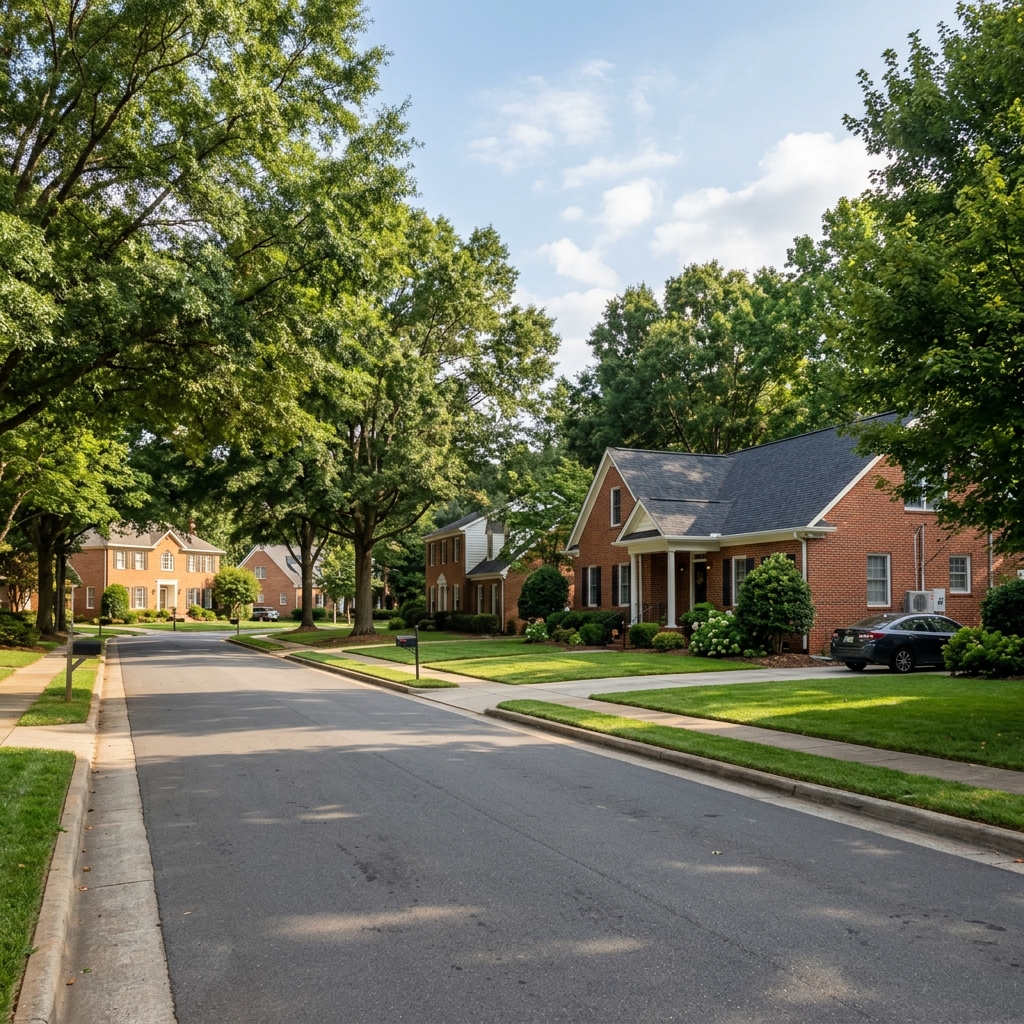
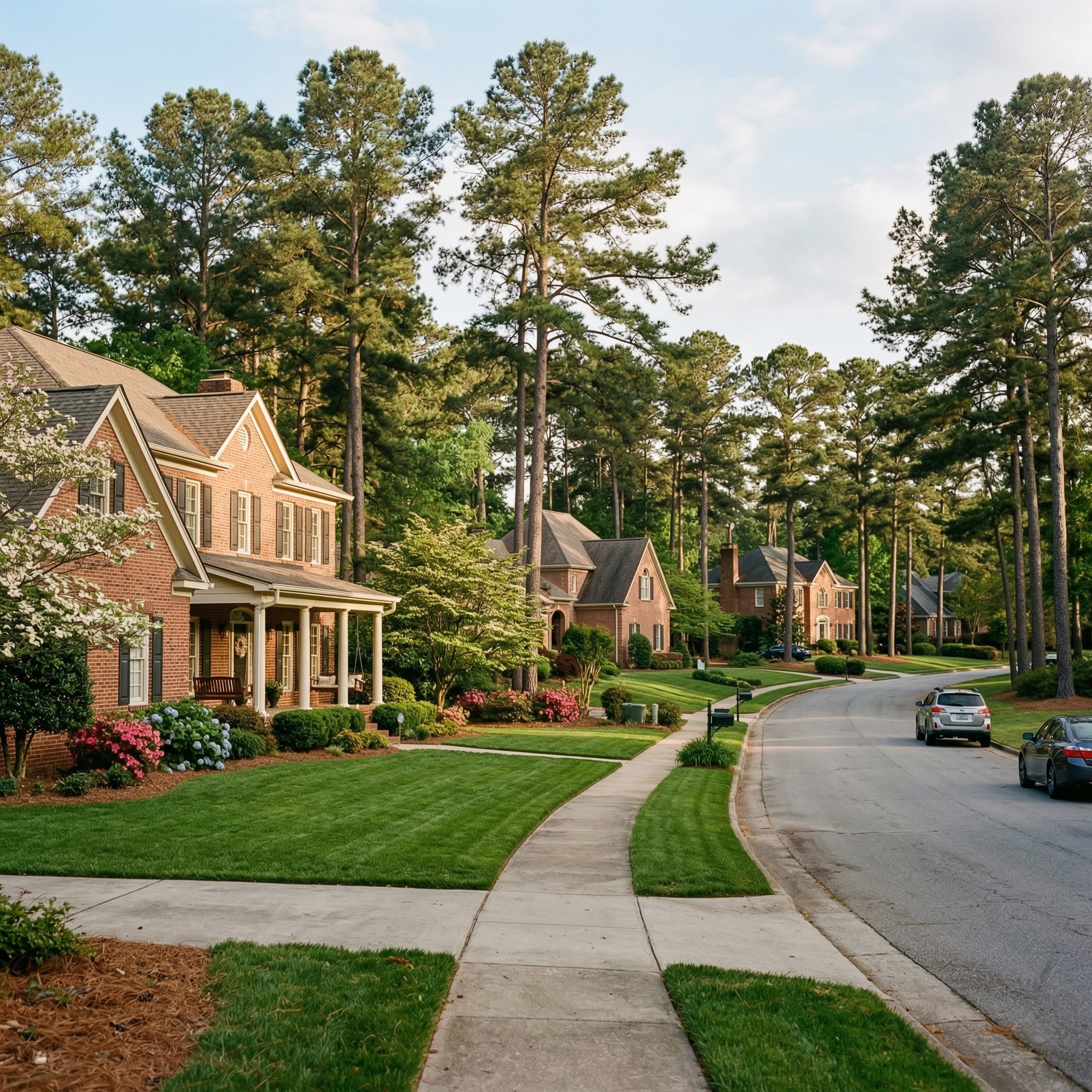
Durham sits in the heart of the Research Triangle, where a mix of century-old mill district homes and newly built tech-corridor subdivisions creates a uniquely varied HVAC replacement market. Hot, humid summers push cooling systems hard from May through September, while mild winters make heat pumps a practical choice for year-round comfort. This guide covers what Durham homeowners are actually paying for HVAC replacement in 2026, how to stack Duke Energy rebates with federal incentives, and what to watch for in older Durham housing stock.

TL;DR: HVAC replacement in Durham costs $5,900–$14,000+ depending on system type. Climate Zone 4A means heat pumps are ideal for Durham’s mild winters and hot summers. Duke Energy Progress offers up to $1,000 in heat pump rebates (updated May 2025). A mechanical permit is required for all HVAC work in Durham ($100–$300 fee). Get your free Durham estimate.

What Does HVAC Replacement Cost in Durham in 2026?

Here is what Durham-area homeowners are paying in 2026, based on regional contractor data and our estimator’s Southeast pricing model:

System TypeTypical Durham Cost Range
Central AC only$5,500–$11,900
Heat pump system$5,900–$12,000
Gas furnace only$3,200–$6,500
Full system (AC + furnace)$8,500–$14,000+
Add: ductwork replacement+$2,100–$4,000

These ranges reflect standard installation complexity and mid-range equipment. Premium brands, high-efficiency tiers, and homes with ductwork complications push costs toward the upper end. Our cost estimator uses a 1.00x Southeast regional multiplier for Durham, meaning base labor rates here are right at the national median. But contractor availability adds a real-world variable.

Durham quotes can run 5–10% above statistical baseline during peak summer months. The Research Triangle has added population faster than any comparable metro in the Southeast, and that growth competes for the same pool of licensed HVAC contractors. When replacement demand spikes in July, you lose pricing leverage. Timing your project to the shoulder season is one of the most effective cost controls available.

Why Does Durham’s Climate Affect Your System Choice?

Durham falls squarely in ASHRAE Climate Zone 4A, classified as Mixed-Humid. That label has practical implications for your system decision. Summers are hot and humid: July highs average around 88°F with relative humidity frequently above 70%. Your system runs nearly continuously from late May through September. The humidity load matters as much as the heat load. An undersized or incorrectly configured system will fail to dehumidify adequately, leaving rooms feeling clammy even when the thermostat reads 74°F.

Winters are mild by national standards. January highs average in the low 50s°F with lows in the low 30s°F: real heating demand, but not the sustained deep cold that strains heat pump performance. Zone 4A is one of the optimal operating ranges for air-source heat pumps. A standard heat pump handles the vast majority of Durham’s heating load without backup strip heat kicking in, which is where the efficiency gains and lower operating costs come from.

The practical takeaway: for most Durham homeowners, a heat pump system outperforms a traditional AC-and-furnace combination on both efficiency and total cost of ownership over a 15-year system life. The exceptions are homes with gas infrastructure already in place and homeowners who prioritize gas heating backup for the handful of nights below 25°F.

What Durham HVAC Rebates Are Available in 2026?

Duke Energy Progress serves the Durham area and offers the primary rebate channel for residential HVAC upgrades. The program was updated in May 2025 with increased incentives.

ProgramUpgrade TypeRebate AmountWho Qualifies
Duke Energy Smart SaverAC replacement (15.2 SEER2+)$300All DEP residential customers
Duke Energy Smart SaverHeat pump replacing existing HP (15.2 SEER2)$500All DEP residential customers
Duke Energy Smart SaverStrip heat to high-eff. heat pump (15.2 SEER2)$600All DEP residential customers
Duke Energy Smart SaverStrip heat to higher-eff. heat pump (16 SEER2)$1,000All DEP residential customers
Federal IRA 25C Tax CreditQualifying heat pump installationUp to $2,000All US taxpayers (income limits apply)

Duke Energy prerequisite: You must complete a free Home Energy Check within 24 months before your installation to qualify for any Smart Saver rebates. For emergency replacements, you can complete the check within 12 months after installation. Schedule it at duke-energy.com before calling contractors.

The federal 25C tax credit stacks with Duke Energy rebates. A Durham homeowner installing a qualifying high-efficiency heat pump could receive $1,000 from Duke Energy plus up to $2,000 as a tax credit, reducing total out-of-pocket costs by $3,000 or more. Rebates and tax credits use different filing mechanisms: rebates come back as a check from Duke Energy after project completion; the 25C credit reduces your federal tax liability when you file.

Rebate amounts last verified March 2026. Visit Duke Energy’s HVAC rebate page for current program details before scheduling work.

What to Know About Older Durham Homes and Ductwork

Durham’s housing market is more diverse in age than neighboring Raleigh. The city has a substantial stock of pre-1980 homes in neighborhoods like Trinity Park, Watts-Hillandale, Burch Avenue, and the mill districts near downtown. Homes built before 1990 frequently have original ductwork, which creates a different replacement calculus than newer construction.

Older ductwork issues that affect HVAC replacement cost in Durham:

  • Undersized ducts: Systems installed in smaller homes were sometimes sized for the original, less efficient equipment. A modern higher-capacity system may require duct modifications to deliver proper airflow.
  • Duct leakage: Older flex duct and sheet metal connections degrade over time. A duct blower test (also called a duct blaster) can quantify leakage. Duke Energy also offers up to $450 in rebates for duct testing and repair through the Smart Saver program.
  • Asbestos-containing duct insulation: Homes built before 1975 may have duct wrap containing asbestos. If found, removal requires licensed abatement and adds cost. This is uncommon but worth asking about in pre-1975 Durham homes.

The right approach is to get a duct assessment as part of your HVAC replacement quote, not as an afterthought. If leakage is significant, fixing it before installing a new system improves efficiency and can bump you into a higher rebate tier. Your contractor should document duct condition as part of the installation proposal.

What Permits Are Required for HVAC Replacement in Durham?

Durham requires a mechanical permit for all HVAC replacement work. North Carolina law also requires the work to be performed by a licensed HVAC contractor. The permit process involves the Durham City-County Inspections Department, which handles both city and county permits.

Permit fees for a standard HVAC replacement in Durham run $100–$300 for like-for-like system swaps. More complex projects with modifications may run higher. Approval typically takes about 5 business days. Your licensed contractor should pull the permit on your behalf and coordinate the required inspection.

Never agree to HVAC work without a permit in Durham. Unpermitted HVAC work creates issues at resale, can void manufacturer warranties, and leaves you with no recourse if the installation is substandard. The $75–$300 permit fee is a small fraction of the project cost and is non-negotiable for any reputable contractor.

Durham City-County Inspections Department: (919) 560-4144, BuildingSafety@durhamnc.gov, 201 E. Main St., Durham, NC 27701. See how Durham permit requirements compare to our guide on HVAC replacement cost in Raleigh, NC and the broader North Carolina HVAC cost overview.

Get a Durham-Specific HVAC Cost Estimate

Our HVAC replacement cost estimator includes a region selector: choose “Southeast” for Durham-area pricing. Enter your home’s square footage, the system type you’re considering, your preferred efficiency tier, and your ductwork condition. You’ll get a low, mid, and high cost range with a breakdown of what’s driving your specific estimate.

Free. No email required. No contractor contacts your information.

Durham HVAC Replacement FAQs

Do I need a permit for HVAC replacement in Durham, NC?

Yes. Durham requires a mechanical permit for any HVAC replacement. NC law also requires the work be done by a licensed HVAC contractor. Permit fees typically run $100–$300 for a like-for-like replacement, and approval takes about 5 business days. Contact the Durham City-County Inspections Department at (919) 560-4144 or BuildingSafety@durhamnc.gov. Your contractor should handle the permit application on your behalf.

Are heat pumps a good choice for Durham’s climate?

Yes. Durham sits in ASHRAE Climate Zone 4A, one of the best operating environments for air-source heat pumps. Winters are mild enough that heat pumps operate efficiently without constant auxiliary heat use. Duke Energy Progress offers $500–$1,000 in rebates for heat pump upgrades, and the federal 25C tax credit adds up to $2,000 more. For most Durham homeowners replacing an older system, a heat pump delivers better long-term value than a separate AC and furnace combination.

How do Duke Energy Progress rebates work in Durham?

The Smart Saver rebate program from Duke Energy Progress requires completing a free Home Energy Check within 24 months before installation. After the installation is complete, you submit the rebate request online through the Duke Energy rebate portal. Rebate amounts depend on what system you’re replacing and the efficiency rating of the new equipment:

  • $300 for AC replacement at 15.2 SEER2 or higher
  • $500 for heat pump replacing existing heat pump (15.2 SEER2)
  • $600 for strip heat replaced by high-efficiency heat pump (15.2 SEER2)
  • $1,000 for strip heat replaced by higher-efficiency heat pump (16 SEER2)

Does older ductwork in Durham homes affect HVAC replacement cost?

It can add meaningful cost in Durham’s older neighborhoods. Pre-1990 homes in areas like Trinity Park, Watts-Hillandale, and the downtown mill districts often have original ductwork that may be undersized or leaky. Duct leakage testing during your replacement quote can identify whether repairs are needed. Ductwork replacement adds $2,100–$4,000 to total project cost, but Duke Energy also offers up to $450 in rebates for duct testing and repair. Ask your contractor to assess duct condition as part of the installation proposal.

What does HVAC replacement cost for a typical Durham home?

For a typical 1,800–2,200 sq ft Durham home, expect $5,900–$10,500 for a heat pump system replacement. A full system swap (AC plus gas furnace) runs $8,500–$14,000. Labor rates in the Durham-Chapel Hill metro average $27–$28/hr (BLS, Durham-Chapel Hill MSA), near the national median, but strong contractor demand in summer can push real-world quotes 5–10% above that baseline. Use the estimator to dial in your specific configuration.

When is the best time to replace HVAC in Durham?

Late winter (February through March) and early fall (October through November) give you the best combination of contractor availability and pricing leverage. June through August is when Durham HVAC contractors are busiest: emergency replacements and new construction compete for the same installation slots. Planning your replacement outside peak summer increases your chances of getting three competitive quotes and scheduling on your timeline rather than the contractor’s.

For a comparison with the broader state market, see our North Carolina HVAC replacement cost guide. Durham homeowners weighing repair vs. full replacement can use our repair vs. replace framework to assess where their system stands.

Get Your Personalized Estimate

Use our free HVAC replacement cost estimator to get a cost range tailored to your home, system type, and region.

Get Your Estimate
Some links on this site are affiliate links. We may earn a commission if you request quotes through our partners, at no extra cost to you. This helps support free tools and guides on HVAC Project Cost. Full disclosure